ServicesExit Readiness Assessment
Exit Readiness Assessment in Richardson
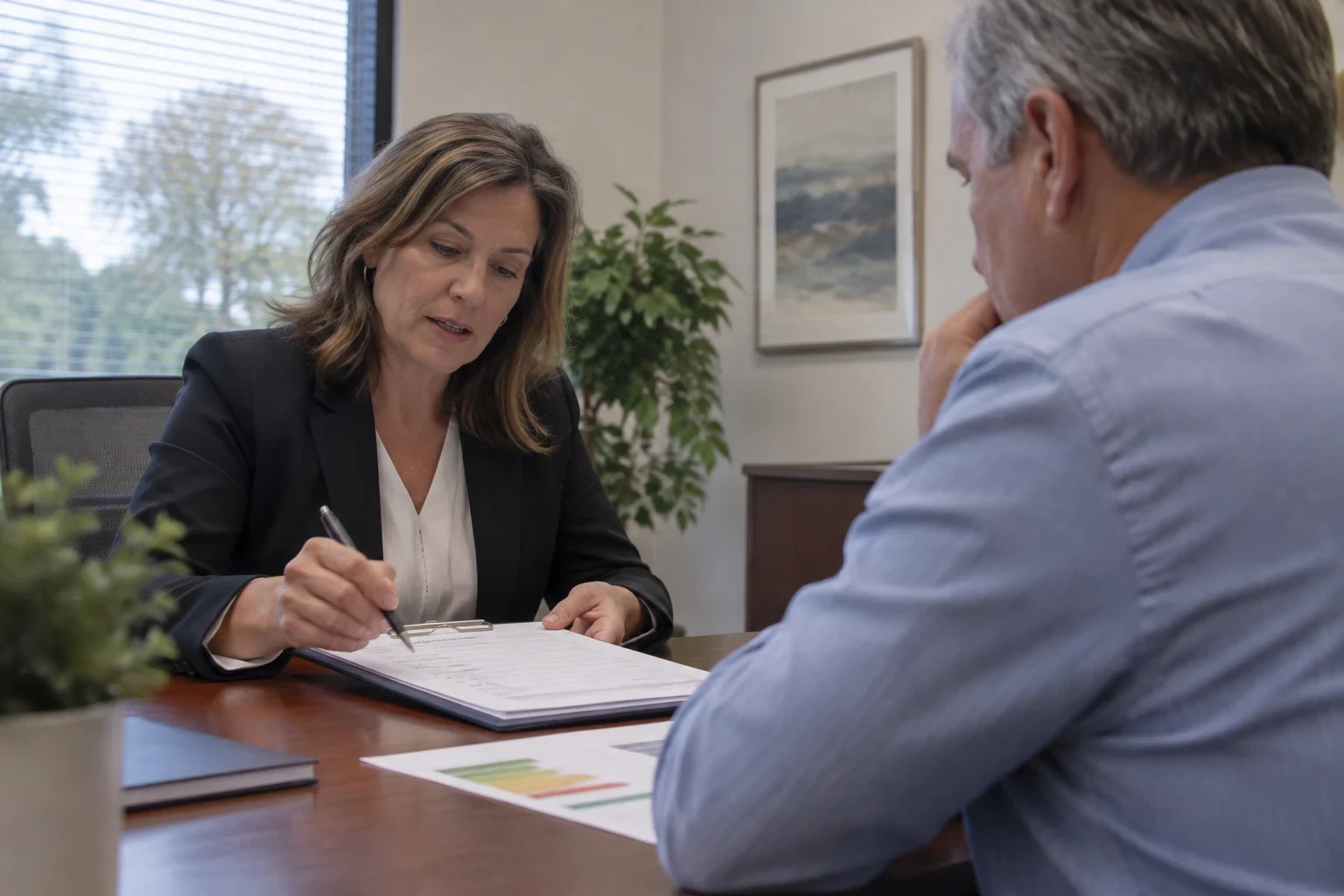
An exit readiness assessment shows how ready your company is to sell, pass to family or hand to employees, before you make any move. We look for the risks first, keep it confidential and tell you plainly what is solid and what needs work.
Find the weak spots before a buyer does
Most owners only learn what is wrong with their company when a buyer's team starts digging. By then the price is on the table and every problem becomes a reason to cut it. An exit readiness assessment turns that around. We go through your business the way a careful buyer or lender would, and you see the results first.
We look first for what could hurt you: a customer who brings in too much of the revenue, a key employee with no agreement, books that won't hold up, an owner who does every job. Nothing is shared outside your office, and nobody on your staff needs to know we are talking.
You get an honest answer, not a sales pitch. Some owners are closer to ready than they think. Others need a year or two of work. Either way, you decide what happens next. No pressure, and no obligation to sell.
What the assessment covers
- Owner dependence
- We look at how much of the company runs through you. If sales, key accounts or daily decisions stop when you take a week off, buyers notice and so do we.
- Financial records
- We review a few years of statements, tax returns and how you track income and costs. We point out anything a buyer's accountant would question, like mixed personal expenses or numbers that don't tie out.
- Customer and supplier risk
- Too much revenue from one customer, or one supplier you can't replace, is a common deal killer. We measure that concentration and show you where you stand.
- People and agreements
- We check whether key employees have written roles, pay plans or agreements that would keep them through a transition. We also look at leases, contracts and anything that might not transfer to a new owner.
- Your personal readiness
- Selling is a money question and a life question. We talk about what you need from the sale, when you want out and what you plan to do after, because a plan that ignores the owner tends to fall apart.
- A written findings report
- You get a plain list of what we found, ranked by risk. Each item says why it matters and what fixing it would take.
Signs it is time for an assessment
You want out within five years
Real fixes take time. Starting the check early gives you room to fix problems instead of discounting for them.
Everything runs through you
If you hold the main customer relationships and approve every decision, your company may be worth much less without you. That is worth knowing now.
An unsolicited offer showed up
Someone called asking to buy. Before you answer, you should know what shape your company is in and what a buyer will push on.
A family or employee handoff is on your mind
Inside transitions carry their own risks, from funding the buyout to who really runs things. We look at whether the people and the money are there.
Your partners don't agree on the future
When co-owners have different timelines, an outside look gives everyone the same facts to work from.
What affects the cost
There is no one price for every company, so we explain the cost before any work starts. It depends mostly on how big and how tangled the business is, and how ready the records are. You get the number by phone, after the first call, with no obligation.
Size and complexity
A single-location company with one owner takes less time than one with several locations, product lines or entities.
State of your records
Clean, current books make the review faster. If statements need to be pulled together or sorted out first, that adds time.
Number of owners
Partners and family members each have goals to hear and agreements to read. More owners means more conversations.
Depth of the review
Some owners want a quick read on major risks. Others want a deeper look ahead of a planned sale. We size the work to what you actually need.
How the assessment works
- 1
A 20-minute call with our co-founder
We start with a short, free conversation about your company and your goals. If an assessment doesn't fit, we will say so.
- 2
Gather the basics
We send a simple list of documents and questions. You share what you have, at our office or by phone and video, and everything stays confidential.
- 3
Review and interviews
We go through the numbers, contracts and operations, then talk with you about how the company really runs day to day. For most owners this means a few meetings, not weeks of disruption.
- 4
Walk through the findings
We sit down with you and go over the report line by line. You leave knowing your biggest risks, what to fix first, and whether a next step like value enhancement planning or a full exit plan makes sense.

Exit readiness assessment questions
Will my employees or customers find out?
No, not from us. We work with you directly and keep everything confidential. If we need information from someone on your team, we talk with you first about how to ask without raising questions.
How is this different from a business valuation?
A business valuation puts a number on what your company is worth today. An exit readiness assessment looks at the risks behind that number and how ready you and the company are to make a move. Many owners do both, and the findings often explain why the value comes out where it does.
Does getting an assessment mean I have to sell?
No. Plenty of owners do this just to know where they stand. There is no pressure, and no obligation to sell, now or later.
How long does it take?
It depends on the size of your company and how ready your records are. Most of the time goes into our review, not your calendar. We give you a realistic timeline on the first call.
Can we meet in person?
Yes. We meet at our office, or by phone and video if that is easier. Owners from Plano, Garland and Allen often mix both.

See where your company stands
Start with a short call with our co-founder. We will hear what you have in mind and tell you honestly whether an assessment is the right first step.